Hot-Dip Galvanizing vs. Painted Steel Grating: Which Lasts Longer?
A comprehensive comparison of two primary corrosion protection methods for steel grating — covering performance, cost, and ideal environments.
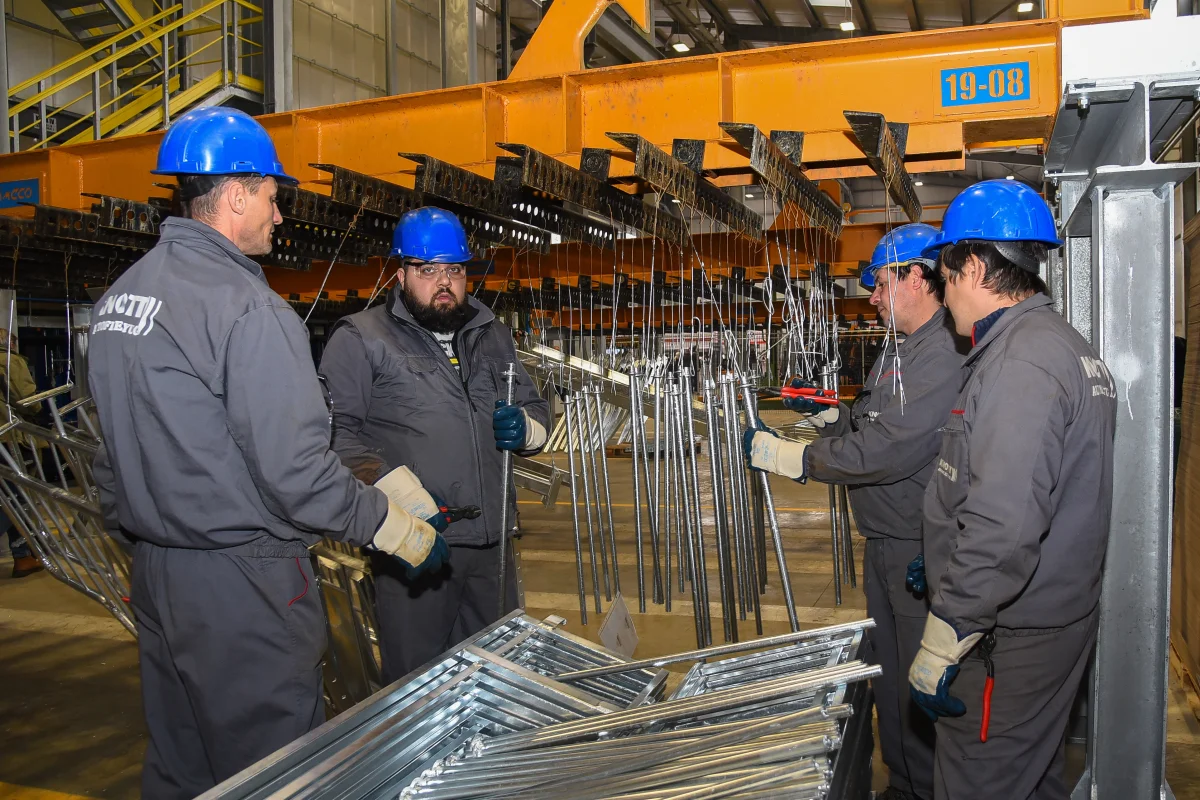
When specifying steel grating for industrial applications, one of the most common questions is: should we galvanize or paint? The answer depends on the environment, maintenance budget, and design life required.
What is Hot-Dip Galvanizing?
Hot-dip galvanizing (HDG) is the process of immersing cleaned steel in a bath of molten zinc at approximately 450°C. The result is a metallurgically bonded zinc coating that protects by two mechanisms: the zinc acts as a barrier and as a sacrificial anode, protecting exposed steel at cut edges and damage points.
What are Painted Coatings?
Painted systems typically involve abrasive blasting to Sa 2.5, followed by a zinc-rich primer, epoxy mid-coat, and polyurethane topcoat. A well-applied system in a moderate environment can last 15–25 years before maintenance painting is required.
Comparison Table
In aggressive environments such as offshore platforms, chemical plants, and coastal locations, hot-dip galvanizing consistently outperforms organic coatings in long-term cost of ownership. However, for architectural applications where colour is important, painted systems offer superior aesthetic flexibility.
Conclusion
For most industrial applications, hot-dip galvanizing offers the best combination of durability, cost-effectiveness, and maintenance-free performance. For architectural or colour-critical applications, a premium paint system may be appropriate.